STAR Stories
STARs, in their own words, share what led them to where they are today, what stands in their way, and what they hope for in the future.


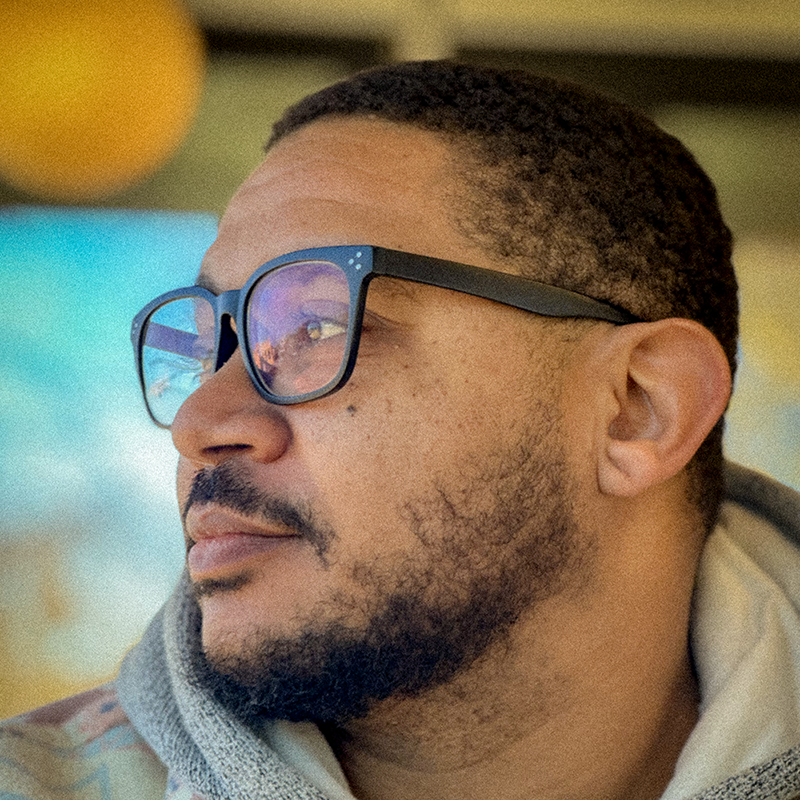
Marcus
Marcus is a Junior Systems Administrator in Durham, North Carolina, working in the financial services industry. But his path into technology did not begin with computers. It began behind a bar. For years, Marcus worked in hospitality as a bartender while pursuing interests in theater and film. When the COVID-19 pandemic disrupted the hospitality industry, he found himself at a crossroads. Rather than letting uncertainty define his future, Marcus chose a new direction. In 2020, he enrolled in the Merit America Java program with no prior technical experience and committed himself to learning an entirely new field.
The transition was not immediate. After completing the program, Marcus spent nearly a year applying for jobs, interviewing, networking, and building his skills before landing his first role as a Technical Support Engineer. Along the way, he faced a challenge familiar to many STARs: job postings that listed bachelor's degrees as preferred or required qualifications. Instead of focusing on barriers he could not control, Marcus concentrated on what he could control by developing technical skills, earning certifications, gaining hands-on experience, and building relationships. He immersed himself in networking events, sought mentors, joined professional communities, and treated every interview as a chance to learn. That persistence helped him grow from technical support into systems administration, where he now works with Linux, cloud platforms, automation, and security technologies.
Today, Marcus's story reflects the power of continuous learning and staying engaged, even when the path forward is not clear. His advice to other STARs is simple: focus on what you can control. Build your skills, seek mentors, join communities, and do not wait until you feel fully qualified to pursue opportunities. Marcus believes that growth comes from showing up, staying curious, and being willing to learn in public. His journey is a reminder that talent, determination, and a commitment to growth can open doors. Success is not defined by how you start, but by your willingness to keep moving forward.
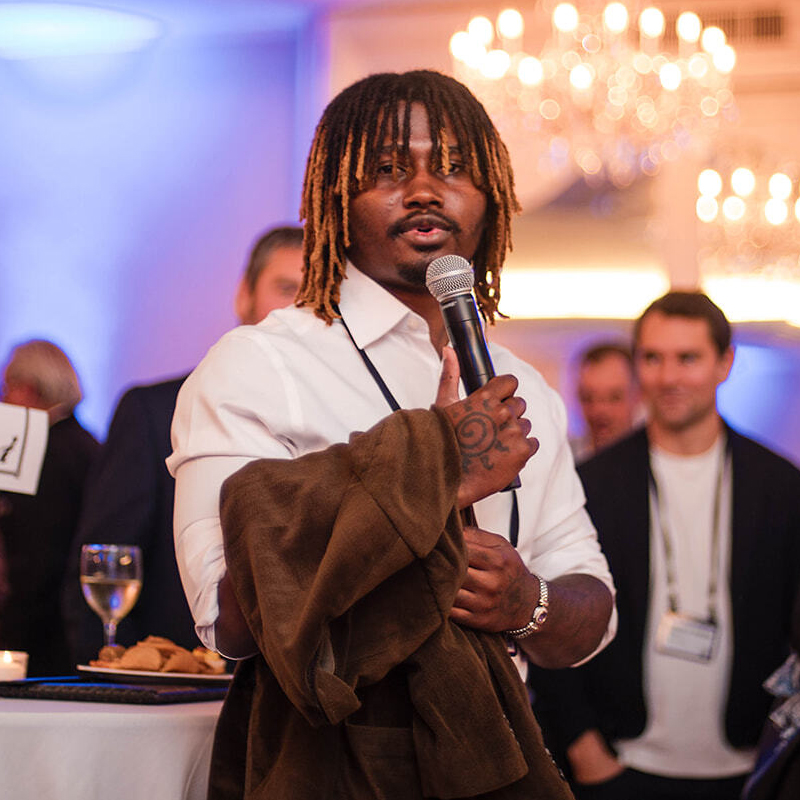
Freddie
Freddie is building a career rooted in hands-on experience, leadership, and a commitment to growth — all without taking the traditional four-year college path. Shortly after graduating high school, he began exploring alternatives to college that would allow him to build technical and professional skills without taking on debt. That search led him to apprenticeship opportunities in Washington, D.C., where he found a pathway that aligned with both his career goals and his desire for financial independence. Today, Freddie is gaining experience in business operations, membership management, and large-scale event coordination while building a reputation as a dependable and driven young professional.
Before starting his apprenticeship, Freddie balanced summer jobs, internships, and nonprofit work supporting underrepresented communities through mutual aid initiatives. While he knew he wanted a career that combined technical skills with business, he wasn’t always sure what direction to take. His apprenticeship gave him clarity, confidence, and real-world experience that traditional classroom settings could not. Through on-the-job training, Freddie sharpened skills in financial management, public speaking, data analysis, webinar facilitation, and record keeping. One of his biggest milestones came when he was trusted to manage transactions and signups for a national apprenticeship summit with hundreds of attendees — the first large-scale project he had ever led.
Freddie believes apprenticeships prove that talent and potential are not defined by a degree. Entering the workforce at just 18 years old, he has already gained valuable experience, professional certifications, and a growing network that positions him for long-term success. He hopes more young people — especially those from low-income backgrounds — are introduced to apprenticeship opportunities earlier so they can see alternative routes to meaningful careers. His story reflects the power of STARs: people whose skills, determination, and lived experience open doors and create opportunities for themselves and their communities.

Jubei
Jubei is building a thriving career in tech as a Tech Analyst at Accenture in Washington, DC — but his journey didn’t begin with a traditional college path. During his junior year of high school, a counselor introduced his class to CityWorks DC through a Zoom presentation about apprenticeship opportunities. At the time, Jubei knew one thing for certain: college wasn’t the right fit for him. He learned best by doing, not sitting in a classroom. Inspired by the idea of hands-on learning, he applied immediately and was hired as a Software Development Youth Apprentice at Accenture.
Through the apprenticeship, Jubei discovered not only a pathway into technology, but confidence in his own potential. He developed technical skills in Python, HTML, and JavaScript, later earning internal GenAI certifications through Accenture. One breakthrough moment came when his supervisor assigned him a Python project that he built entirely from scratch. Seeing his own program come to life showed him what he was capable of and motivated him to keep learning. For Jubei, the hands-on training model made all the difference — giving him space to experiment, make mistakes, and grow in an environment where he could truly thrive.
After completing the program, Jubei continued into Accenture’s post-secondary apprenticeship and eventually earned a full-time role with the team he trained alongside. Today, he hopes employers recognize what apprenticeship programs reveal every day: talent does not depend on a degree. He believes STARs bring curiosity, determination, and untapped potential to the workforce. His advice to others considering an alternative route is simple: aim as high as possible, because opportunities can take you further than you ever imagined.
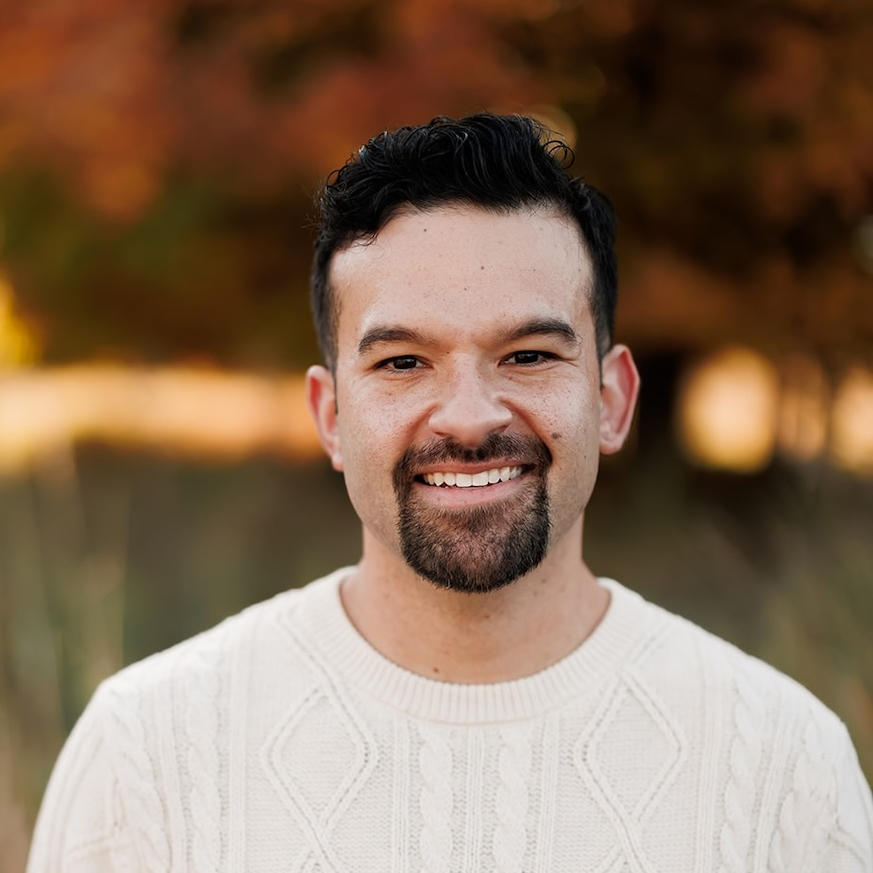
Anthony
Anthony knows firsthand that leadership isn’t defined by a degree. It’s built through experience, service, and a commitment to helping others succeed. Today, he serves as the Interim Executive Director of Public Allies Wisconsin, leading efforts to develop community leaders and strengthen civic engagement. His path to leadership began long before his current role. Anthony started working at age 14 and gained experience across retail, food service, manufacturing, and hospitality. He attended culinary school at his local community college and built his career through hands-on learning, persistence, and a deep belief in serving others.
As a STAR, Anthony built his skills through alternative routes rather than a traditional four-year degree. Along the way, he developed strengths in relationship building, partnership development, facilitation, and community-centered leadership. While many nonprofit leadership roles are often associated with bachelor’s degrees, Anthony’s career was shaped by mentorship, real-world experience, and opportunities to learn by doing. A turning point came in 2017 when he joined Public Allies as a service member. During his service year, a leader recognized his potential and encouraged him to apply for a staff position. That vote of confidence opened a door Anthony never imagined for himself and set him on a path from Ally to Program Manager, Director of Partnerships, National Manager of Alumni Engagement and Mobilization, and ultimately Interim Executive Director.
Today, Anthony carries that lesson forward by investing in others the same way others invested in him. He believes talent, leadership, and potential exist in every community and are not determined by credentials alone. His story reflects the power of skills-first opportunities and what can happen when organizations recognize potential and create pathways for growth. As Anthony reminds fellow STARs, “Your skills matter. Your lived experience matters. The way you show up matters.” And when opportunity arrives, he encourages others to use it to create change for themselves and their communities.
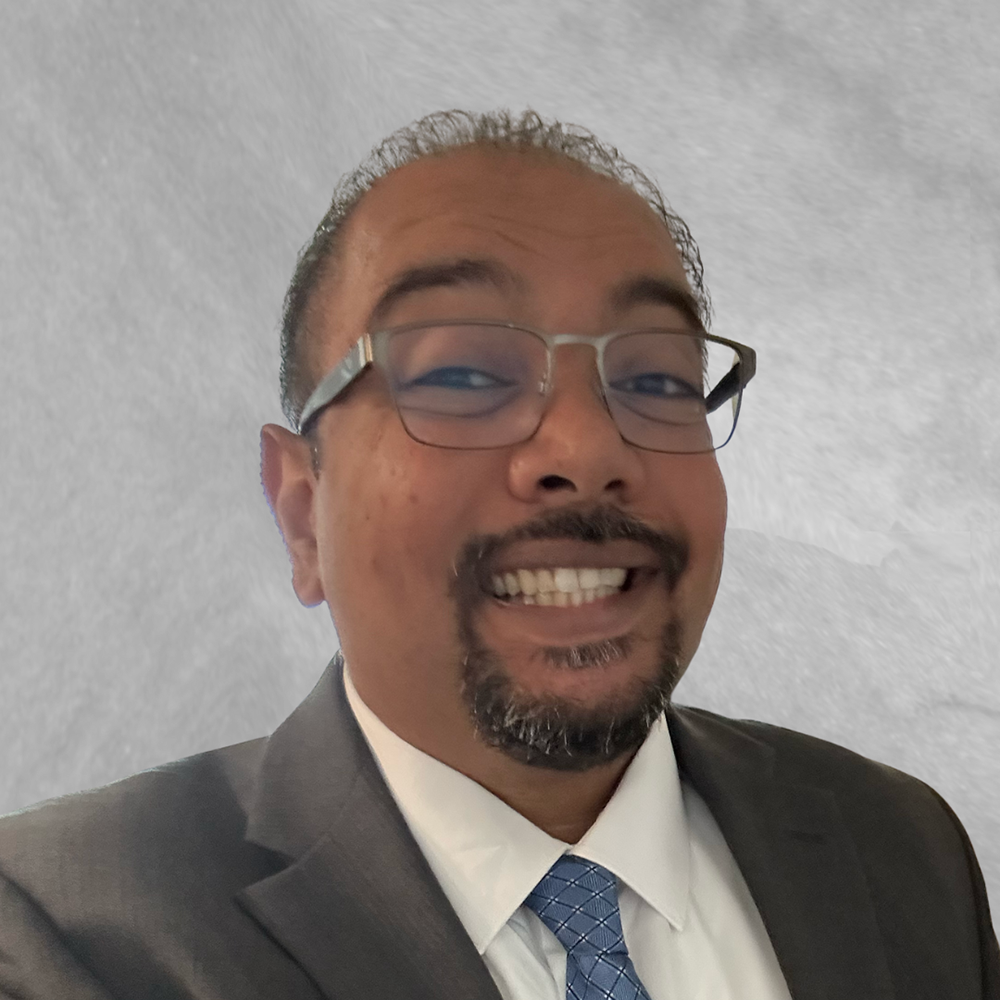
Fazri
From teaching himself QBasic on an old computer to leading cutting-edge technology companies, Fazri has built a career fueled by curiosity, persistence, and a passion for creating. Today, he serves as CEO of LuqEE, CTO and Co-Founder of Play Cubed, and a software engineer who has helped develop products across mobile, gaming, virtual reality, blockchain, artificial intelligence, and emerging technologies. But his path to leadership was anything but traditional. After beginning college in computer science, he changed direction and built a successful career in banking before realizing that software engineering was where he truly belonged. When smartphones opened a new world of possibilities, Fazri spent nights and weekends teaching himself mobile development, eventually publishing his own apps and using that portfolio to earn his first engineering role.
Without a bachelor's degree, breaking into technology wasn't easy. Despite building real software and developing his skills independently, Fazri spent nearly a year and a half applying to around 80 software engineering positions before one company, Collision Studios, gave him a chance. That opportunity changed everything. Drawing on the leadership, communication, and business experience he gained in banking, he quickly advanced from junior developer into leadership, later co-founding multiple technology companies and collaborating on groundbreaking projects—including Major League Baseball NFT experiences with the Los Angeles Dodgers and Star Trek digital collectibles with Paramount. Throughout his career, he has continued to embrace new technologies, proving that adaptability and continuous learning can open doors that credentials alone cannot.
As an immigrant whose family came to the United States in search of opportunity, Fazri sees his success as something bigger than personal achievement. He hopes to build companies that create jobs, mentor future innovators, and help others who have taken nontraditional paths find opportunities of their own. His advice to fellow STARs is simple: keep building, keep learning, and don't let the paper ceiling define your potential. Every project, every setback, and every new skill is proof of what you're capable of. As Fazri's journey shows, when employers recognize talent instead of credentials alone, they unlock leaders who can shape the future.

Steeve
Today, Steeve works as a Salesforce Data & Reporting Manager, using technology and data to support programs that help people navigate complex immigration-related challenges. But his path into tech did not follow a traditional route. Instead of relying on a four-year degree, Steeve built his expertise through hands-on learning, determination, and a commitment to mastering new skills.
While working full-time, Steeve enrolled in a Salesforce Administrator training bootcamp through Per Scholas. The intensive program challenged him to apply what he learned through real-world projects and problem-solving exercises. Although he narrowly missed passing the Salesforce certification exam after completing the program, he refused to let a test score define his capabilities. Confident in the skills he had developed, Steeve pursued opportunities that valued what candidates could do rather than the credentials they held. That confidence paid off when he landed a Salesforce Data & Reporting Manager role, becoming the first person in his cohort to secure a job after the program.
From day one, Steeve was trusted to tackle complex challenges with little formal onboarding. Drawing on the skills he built through practice, persistence, and continuous learning, he developed a Salesforce application to manage program data and created reporting systems that helped measure impact and outcomes. His story reflects the experience of millions of STARs, workers Skilled Through Alternative Routes, who gain valuable expertise through alternative pathways and prove their abilities every day. Steeve’s journey is a reminder that when employers focus on skills and potential, they unlock talent that is ready to contribute, innovate, and make a difference.
Naomi
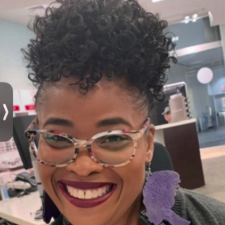
Naomi is helping shape the future of healthcare through data, technology, and innovation. As a SlicerDicer Administrator and Sidekick Project Implementation Coordinator at Seattle Children's Hospital Research Foundation, she works at the intersection of analytics and patient care, leading the configuration of advanced reporting tools and supporting the integration of generative AI solutions across clinical and operational systems. Her work helps healthcare providers make more informed decisions, improve efficiency, and ultimately deliver better care to patients and families.
Over the past decade, Naomi has built a career defined by continuous learning, adaptability, and a commitment to solving complex problems. She has held leadership and analytics roles at major healthcare organizations, including City of Hope and UC Davis Health, where she developed enterprise reporting solutions, led analytics initiatives, and partnered with clinicians to turn data into meaningful action. Along the way, she developed expertise in healthcare analytics, systems implementation, collaboration, and strategic problem-solving. These skills have allowed her to bridge the gap between technical systems and the people they are designed to serve.
As a STAR and member of the STARs Advisory Council, Naomi brings both professional expertise and lived experience to conversations about opportunity and economic mobility. Her journey demonstrates that talent can be developed through many pathways and that skills, curiosity, and determination can create lasting impact. By helping healthcare organizations harness the power of data while advocating for broader access to opportunity, Naomi is helping build a future where innovation improves lives and more workers can see their potential recognized and valued.
Gabe
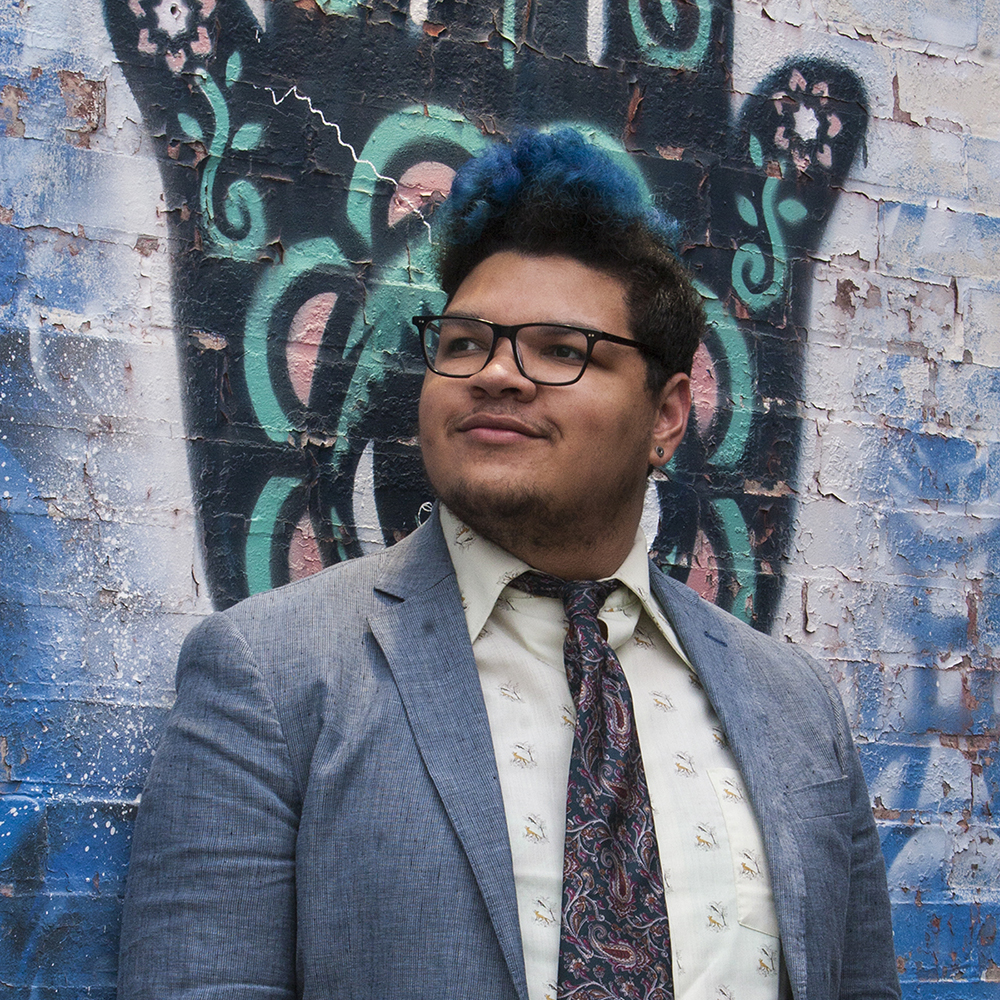
Gabe is a Project Manager in the learning and development field, helping teams bring ideas to life through organization, communication, and creative problem-solving. His path to this role was anything but traditional. After high school, Gabe attended a four-year university, balancing classes with jobs as a resident assistant, theatre technician, and grocery store employee. Eventually, he realized he was learning just as much by doing as he was in the classroom and chose to leave college to pursue work in theatre full-time. Over the years, he built a career through hands-on experience, directing productions, stage management, and taking on new challenges wherever they appeared; all the while working in retail and customer-facing roles.
Along the way, Gabe developed skills that would become the foundation of his career: project management, communication, resourcefulness, and the ability to solve problems creatively. Theatre taught him how to wear many hats, manage competing priorities, and bring people together around a shared goal. Those skills opened the door to opportunities in the tech sector, where he expanded his experience into customer success, office management, event planning, coding, and DEI initiatives. Even with years of proven success, Gabe still encountered the paper ceiling, often finding himself screened out of opportunities because he didn’t hold a bachelor’s degree.
One breakthrough came when he was tasked with helping design and build out a new office space for a growing startup. Drawing on the creativity and adaptability he had developed in theatre, Gabe transformed an empty floor into a welcoming environment that supported employees, interns, and a coding fellowship for women from underserved communities. Looking back, he sees his journey as proof that skills can be built in many places. His advice to other STARs is simple: don’t let someone else define your potential. The ability to adapt, pivot, and create your own path is a strength. As Gabe puts it, “You created a path when none was provided for you, and that mutability and problem solving is your superpower.”
.jpg)
Patrick
Patrick built his career by leading people, not by following a traditional path. Today, he is the founder of Leading Through, an executive coaching and leadership development practice that helps leaders build stronger teams, healthier workplace cultures, and more rewarding careers. But long before launching his own business, Patrick spent more than two decades leading teams in high-pressure environments, learning firsthand that leadership is less about titles or credentials and more about connection, trust, and the ability to bring out the best in others.
One moment in particular changed the course of his career. In 2019, Patrick was leading a leadership development program for high-potential employees at a Fortune 50 company. Many participants held advanced degrees and senior positions, while Patrick himself had built his career without a college degree. Despite being encouraged to follow more traditional leadership approaches, he trusted the philosophy that had already helped him succeed; leading with authenticity, relationships, and empathy. The results spoke for themselves: the program earned the highest participant survey scores in its history, and more than a third of participants were promoted within the following year. But what stayed with Patrick most was one participant’s feedback: “The lessons I’ve learned here have not only made me a better manager, they’ve improved how I communicate with my family.”
That experience became the foundation for Leading Through and reinforced what Patrick believes about leadership today: people with different backgrounds and experiences bring valuable perspectives that organizations need. By challenging conventional ideas about what leadership should look like, he has created space for more people-centered leadership and encouraged others to value the unique perspectives they bring to the table. His story is a reminder that great leaders are defined not by where they started, but by how they connect, adapt, and help others grow.
Travis
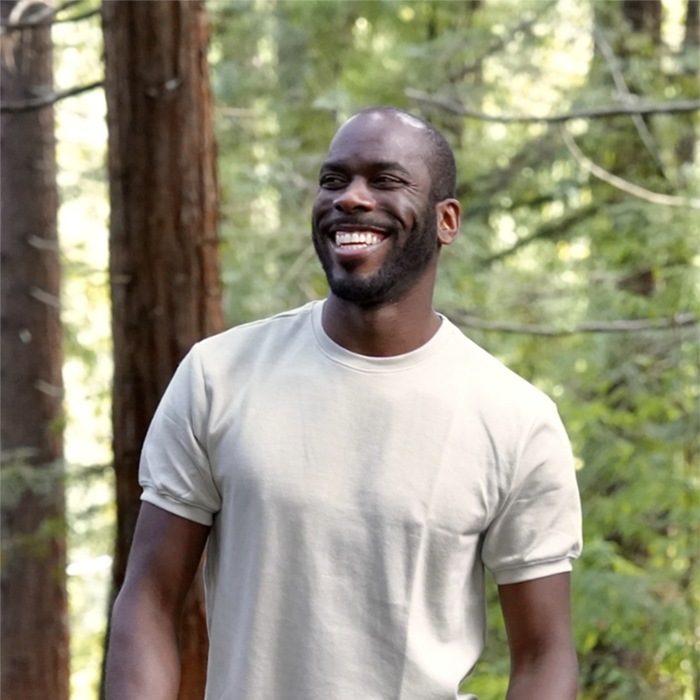
Travis is a Cross-Cultural Community Strategist and Learning Experience Designer who helps people connect, learn, and grow across cultures. His career has taken him from classrooms in Florida to communities around the world, including Canada, Colombia, China, Haiti, and Kenya. Along the way, he developed expertise in cross-cultural communication, instructional design, event coordination, and global project management—not through a traditional path, but through hands-on experience, continuous learning, and a commitment to building bridges between people.
Travis’s journey began early. As a child, he watched his mother lead a daycare center, and by high school he was already working as a teaching assistant and after-school instructor. His education followed a nontraditional route, starting with online learning long before it became widely accepted and later expanding through studies in the United States, Canada and Colombia. Despite building valuable skills and real-world experience, Travis encountered the paper ceiling throughout his career. He was sometimes screened out of opportunities because he did not have a bachelor’s degree and often found himself needing to prove his abilities beyond what was listed on paper. Those challenges affected his confidence and access to professional networks, but they also strengthened his resilience, adaptability, and determination to create opportunities for himself.
A defining breakthrough came when Travis moved to Colombia and established Paradox and Poetry, a community-centered platform that brings people together through storytelling, poetry, music, workshops, and live events. What began as a response to a community need grew into a space where people from different backgrounds could connect and belong. Through that experience, Travis realized that his skills—writing, facilitation, public speaking, bilingual communication, and community-building—were powerful enough to create a meaningful impact. His story reflects what many STARs know firsthand: opportunity doesn’t always come from waiting to be chosen. Sometimes it comes from taking action, investing in yourself, and building something that helps others thrive. As Travis puts it, “Err on the side of action.”
Sandy
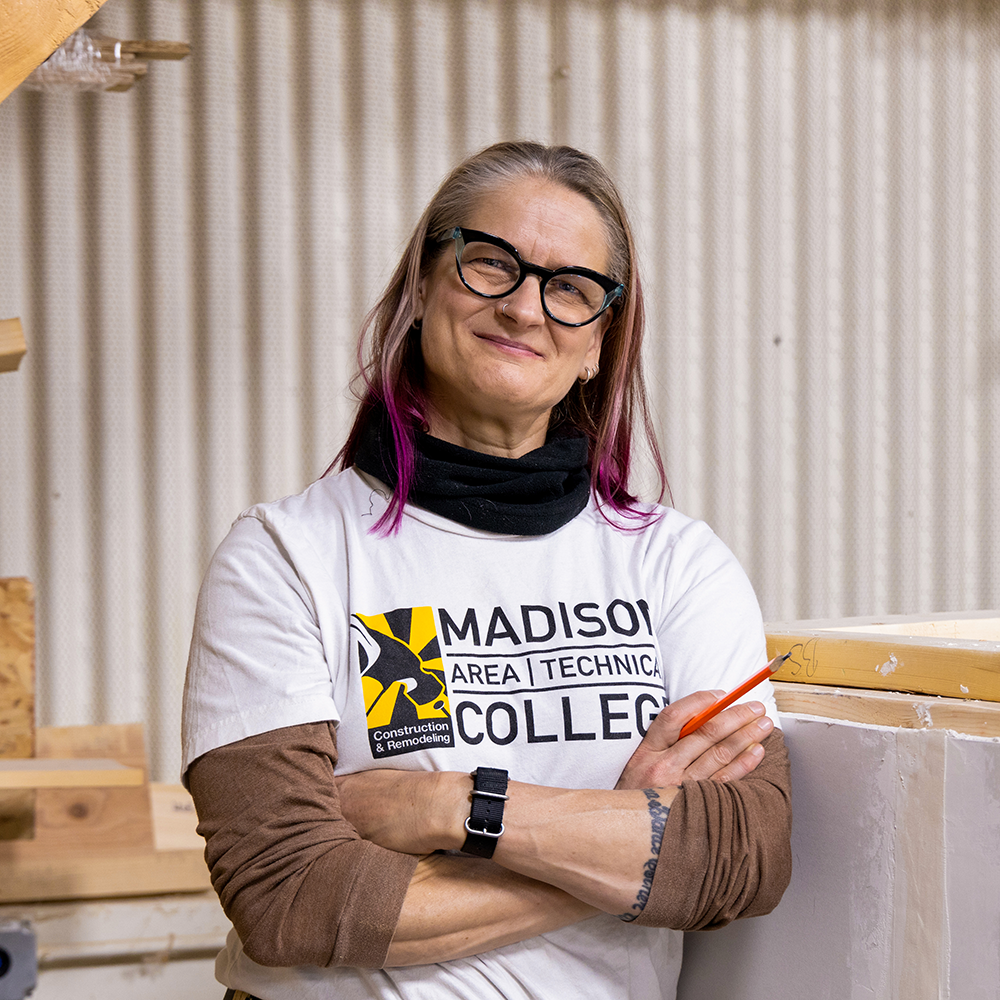
Sandy has spent her career helping more people see themselves in the building trades. As a retired Construction and Remodeling Instructor at Madison College and a member of the STARs Advisory Council, she has brought more than a decade of teaching, leadership, and advocacy to expanding access to skilled careers. Based in Madison, Wisconsin, Sandy has helped students build confidence, technical skills, and a sense of belonging in carpentry and construction.
As Program Director of Construction and Remodeling, Sandy led initiatives designed to make the program more accessible and supportive for students, especially those from communities historically underrepresented in the trades. Under her leadership, the program launched targeted student supports and created the Construction Bridge embedded diploma, offering evening classes and additional academic resources for students who needed extra preparation. She also helped pioneer in-person construction instruction for incarcerated individuals through a partnership with the Department of Corrections, opening new doors for people working toward a fresh start.
Sandy’s commitment to opportunity reaches far beyond the classroom. Through CampBUILD, a hands-on summer program created with the Badgerland Council of Girl Scouts, she has introduced girls in grades K–12 to carpentry, welding, and design. Her work reflects a lifelong belief that well-paying, fulfilling careers in the trades should be available to everyone. As a STARs Advisory Council member and Advocacy Subcommittee Lead, Sandy continues to champion pathways where skills are recognized, barriers are removed, and more people can build the futures they deserve.
Diego
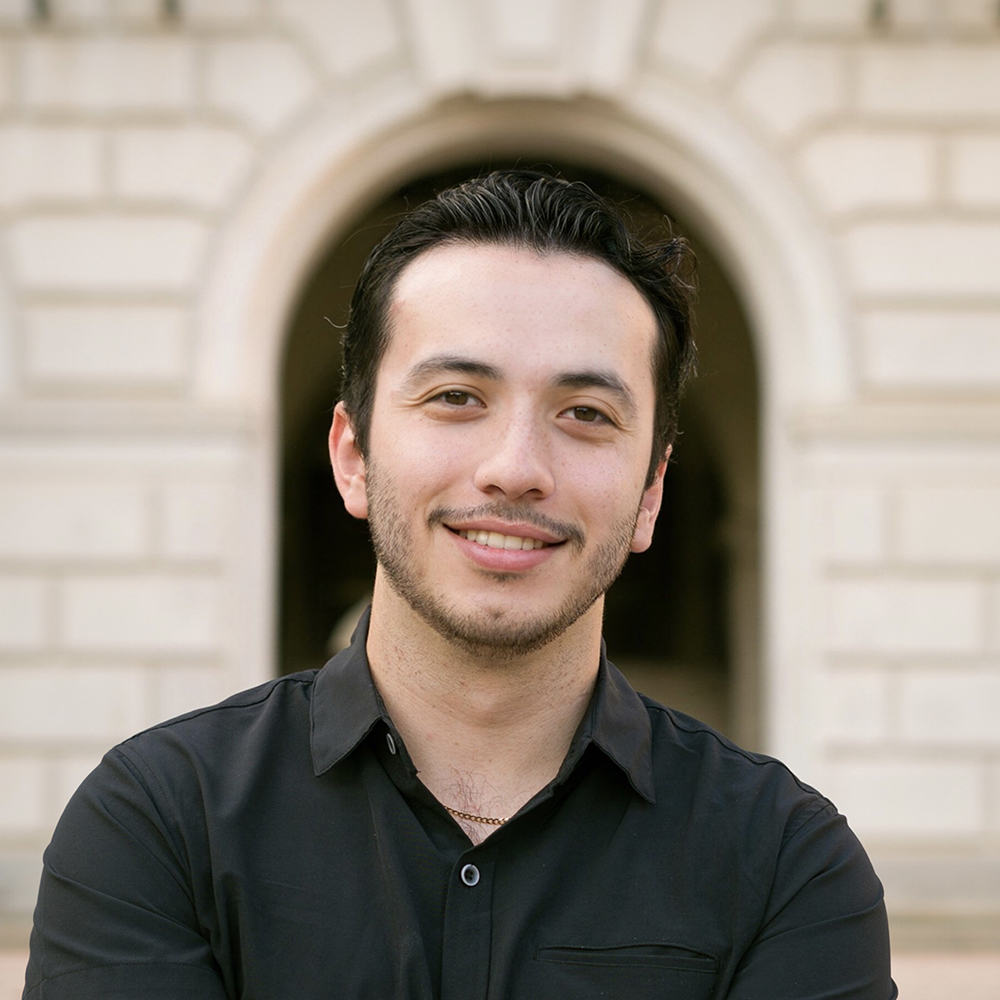
Growing up in Del Rio, Texas, Diego Rubio learned early that talent exists everywhere, even when opportunity does not. In a rural border community with limited resources, he saw firsthand how geography can shape access to education, careers, and economic mobility. Rather than following a traditional path, Diego built his career through entrepreneurship, public service, professional certifications, and continuous learning. As a STAR, he discovered that creating opportunities for others could become a pathway to creating opportunity for himself.
Entrepreneurship became the foundation of Diego's career journey. Early in his career, he helped launch and lead a business incubator for the City of Del Rio, supporting local entrepreneurs, securing major grant funding, and helping revitalize the city's Main Street district. Through this work, he saw how small businesses and local innovators could transform communities when given the right support. The experience sparked a passion for economic development and reinforced his belief that innovation is not limited to major cities or traditional career paths.
Today, Diego serves as a Senior Program Manager for Entrepreneurship at the Center on Rural Innovation, where he helps communities across the country build inclusive and sustainable technology economies. He has also taught entrepreneurship at The University of Texas at Austin, mentoring students and startups while helping future innovators turn ideas into action. As a STARs Advisory Council member and Advocacy Subcommittee Lead, Diego continues to champion alternative pathways to success and economic mobility. His story is a reminder that talent is not defined by geography, degrees, or circumstance. It is defined by what people build, who they serve, and the impact they create along the way.

Sara
Sara’s career has never followed a traditional path, but one thing has remained constant: her passion for helping people learn, grow, and succeed. Today, she works as a leadership and organizational development professional, designing programs that help leaders build stronger teams and workplace cultures. Her journey began in healthcare and emergency response, where she worked as an EMT and taught CPR, anatomy, and emergency response skills. Those experiences taught her an important lesson that still guides her work today: learning is most powerful when it’s practical, memorable, and ready to be applied when it matters most.
Although Sara attended college studying psychology, she did not complete her degree. Instead, she built her career through hands-on experience, professional certifications, and a commitment to continuous learning. Along the way, she moved into corporate training, leadership development, and organizational development roles across multiple industries. Like many STARs, Sara has encountered the paper ceiling. Despite leading enterprise-wide leadership programs, coaching senior leaders, and driving large-scale learning initiatives, she has often faced degree requirements and automated screening systems that overlook proven experience and capability. Rather than letting those barriers define her, Sara continued investing in her skills, building expertise through real-world leadership, facilitation, coaching, and professional development.
A turning point came when an HR leader at TCF Bank recognized her potential and hired her as a Leadership Development Trainer. That opportunity allowed Sara to build leadership programs from the ground up and showed her that her greatest strength wasn’t simply teaching—it was creating the conditions for others to succeed. Today, she helps organizations develop stronger leaders while advocating for a broader definition of talent and potential. Her story reflects the experience of many STARs: degrees can be valuable, but they are not the only measure of a person's ability to contribute, lead, and succeed. As Sara reminds others, you don’t need every opportunity—you just need the right one.
Tina
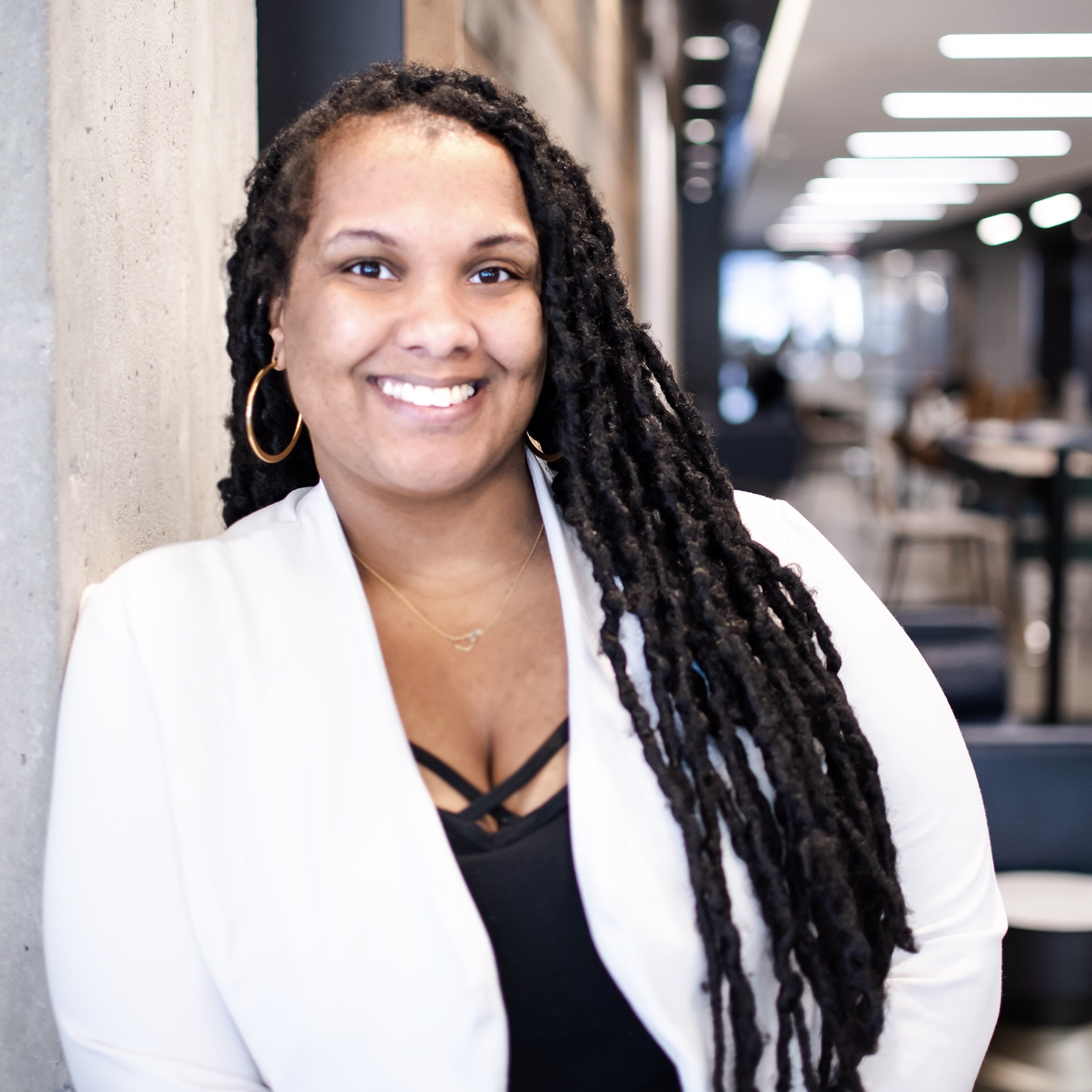
Tina has built her career at the intersection of technology, project management, and community. A STAR who learned through experience, training, and determination rather than a traditional four-year degree path, she has spent her career identifying opportunities to improve systems while helping people succeed. Today, her work spans quality assurance, project coordination, process improvement, and community leadership, all grounded in a belief that strong systems and strong communities go hand in hand.
Her journey began with an internship through Year Up United, which opened the door to her first role at AT&T. Early in her career, Tina was often underestimated and faced the reality of the paper ceiling, including being overlooked for opportunities and having to continually prove her skills beyond what appeared on paper. Rather than letting those barriers define her, she focused on results. At AT&T, she noticed a recurring issue with expired email domains and created a proactive process that helped recover approximately $3.5 million in revenue. That experience showed her that she didn’t have to wait for opportunities to appear. She could create them herself. As her career progressed through startup and healthcare environments, she continued building technical, operational, and leadership skills on the job.
A defining chapter of Tina’s journey came at Kobiton, where she built and led a team that included many Per Scholas alumni. There, she helped create a culture rooted in accountability, growth, and shared success while mentoring and supporting others on their own career journeys. Through leadership roles, international projects, and professional certifications, Tina discovered that the work she had been doing all along, bringing people together, improving processes, and driving results, was project management. Today, she continues to invest in her growth while helping others do the same. Her story is a reminder that skills, character, and community can open doors that credentials alone cannot, and that success is even more meaningful when you bring others with you.
Cherri
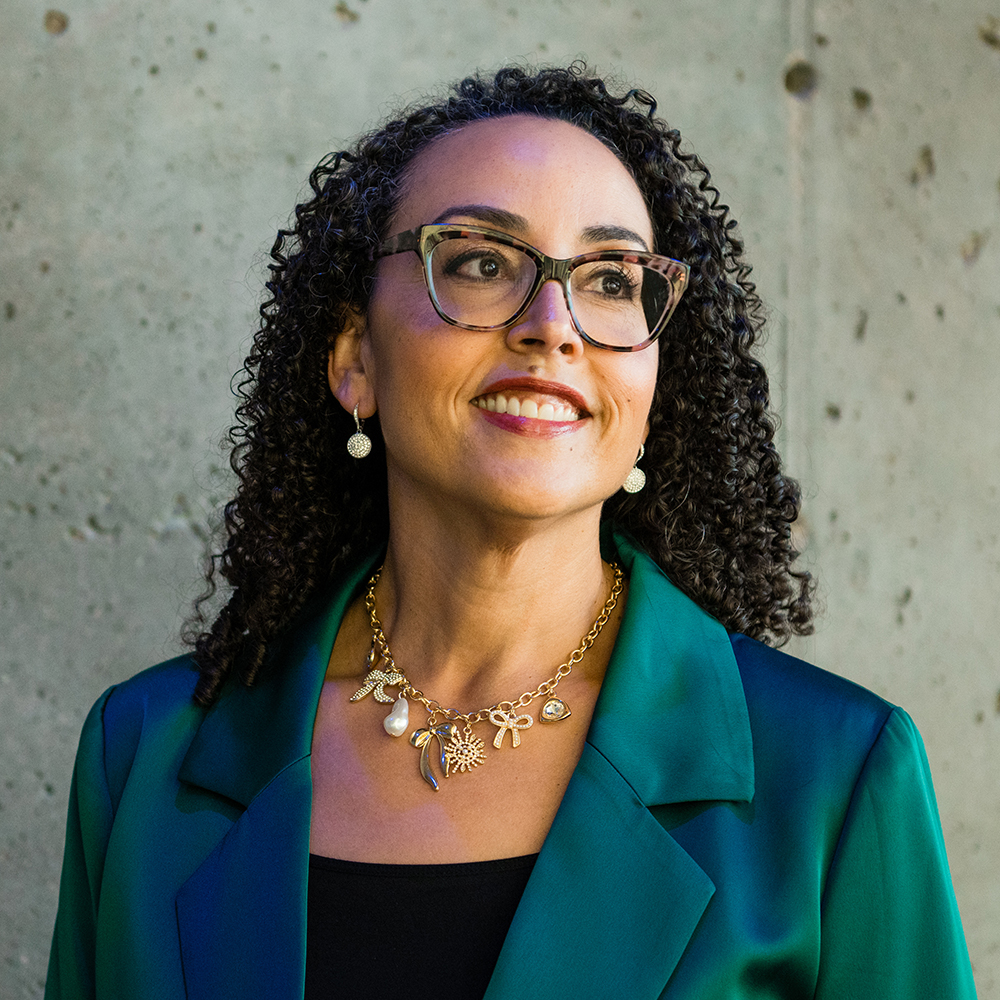
Cherri’s career path has never followed a straight line, and that’s exactly what makes her story so powerful. Today, she works for the State of Colorado, helping employees navigate some of life’s most difficult moments, from illness and injury to caregiving and recovery. But the skills she brings to that role were built long before her current title. Through years in bookkeeping, esthetics, entrepreneurship, and human resources, Cherri developed the judgment, empathy, resilience, and problem-solving skills that define her work today.
Early in her career, Cherri worked in bookkeeping and administrative roles before making a bold pivot into esthetics. She became the first employee at a growing company, Waxing the City, and later built and operated her own solo business for eight years. Running that business meant managing every detail of her finances, operations, client relationships, scheduling, and marketing while earning trust through the quality of her work. When she eventually closed her business, she stepped into HR through an opportunity at Denver Rescue Mission, where someone recognized strengths in her that didn’t necessarily show up on paper. There, she supported recruiting, onboarding, payroll, and employee services, often advocating for people who had been overlooked by traditional hiring systems.
After later experiencing her own season of being overlooked during a difficult job search, Cherri remained persistent, applying for more than 100 roles before finding her place with the State of Colorado. Today, she uses every skill she gained through her nontraditional journey to support others with compassion and care. Her story is a reminder that valuable skills are built in many places, through work, entrepreneurship, life experience, and perseverance, and that when employers recognize talent beyond a degree, STARs are ready to excel.

Matt
Matt built his career in IT through determination, curiosity, and hands-on learning. Today, he serves as a Senior Mac Specialist, leading a team of Apple and Mac technicians while supporting engineering and deployment efforts across corporate offices and club locations. His work combines technical expertise with leadership, project management, and collaboration — skills he developed over years of learning on the job and continuously adapting in fast-paced environments.
Matt’s path to success wasn’t traditional. He struggled in large classroom settings and learned best through practical, hands-on experience. Encouraged by his parents to pursue something he was passionate about, he found his direction in technology. After earning his Computer and Network Technician certification from MTTI, he began his career in a tech support call center at CVS, building foundational troubleshooting and customer support skills. Later, he joined BJ’s Wholesale Club as a contractor and, through persistence and consistent results, earned a full-time position that eventually grew into a leadership role. Along the way, Matt often faced the “paper ceiling” — being screened out or overlooked because he didn’t have a four-year degree, despite having the skills and experience to succeed.
One of Matt’s biggest breakthroughs came when he created opportunities for himself instead of waiting for them. Seeing gaps where stronger technical support and processes were needed, he stepped up and proved the value he could bring. That mindset continues to guide him today. For other STARs navigating similar barriers, Matt offers simple but powerful advice: keep going until someone recognizes your worth — and even when they don’t, never stop believing in your own potential. His story is a reminder that talent, leadership, and impact are built through skills and perseverance, not just degrees.

Lisa
Lisa has built her career through resilience, adaptability, and a willingness to keep moving forward. Today, she works as a clinical care coordinator in the healthcare industry, bringing together strong communication, coordination, and customer service skills to support both patients and care teams. Her path has taken her across multiple industries, from retail to dispatch to healthcare, and each experience has helped her grow new skills, connect with people, and learn how to thrive in changing environments.
Throughout her career journey, Lisa has faced the challenges of the “paper ceiling.” While trying to pivot into new industries and opportunities, she often found herself overlooked because she didn’t have a bachelor’s degree. Despite her experience, adaptability, and strong work ethic, she watched others advance more easily simply because they had traditional credentials on paper. But instead of letting those setbacks define her, Lisa kept pushing herself to learn, grow, and pursue new opportunities. Her strengths, including teamwork, attention to detail, coordination, and problem-solving, were built through real-world experience and persistence.
One of the biggest lessons Lisa carries with her is the importance of never accepting “no” as the final answer. By continuing to take chances on herself and staying open to change, she has been able to keep building momentum in her career, even when opportunities still feel out of reach. Today, her story reflects the determination shared by so many STARs: success doesn’t follow one path, and skills can be built anywhere. Her advice to others facing similar barriers is simple but powerful — ”keep trying, keep growing, and don’t be afraid to believe in yourself”. As Lisa says, “When life gives you lemons, squeeze them!”

Jin
Jin is a Business Analyst at Accenture in Virginia, but his path into tech didn’t begin in a traditional classroom. Before entering the industry, Jin ran a wedding photography business with his brother — building creativity, communication, and problem-solving skills along the way. After attending a software engineering bootcamp through General Assembly, he discovered an apprenticeship opportunity at Accenture in 2022 that would completely reshape his career trajectory.
Like many STARs, Jin faced barriers that had nothing to do with talent and everything to do with access. The apprenticeship opened doors to opportunities that often require a four-year degree and gave him something even more valuable: confidence. Through hands-on learning, Jin developed enterprise-level coding skills, learned how to think strategically as a business analyst, and gained experience collaborating with stakeholders and managing complex projects. One of his biggest breakthroughs came during his very first assignment. Unsure where to begin, he pushed through self-doubt, researched unfamiliar concepts, and successfully completed the task — proving to himself that he belonged in the field and could thrive in it.
Today, Jin sees his journey as proof that talent exists everywhere, not just in traditional pipelines. He believes apprenticeships and alternative pathways help uncover skilled individuals who may otherwise be overlooked. His message to other STARs is simple: take the chance, stay curious, and don’t underestimate where opportunity can lead. As Jin puts it, “Talent is nothing without opportunity.”
Henry
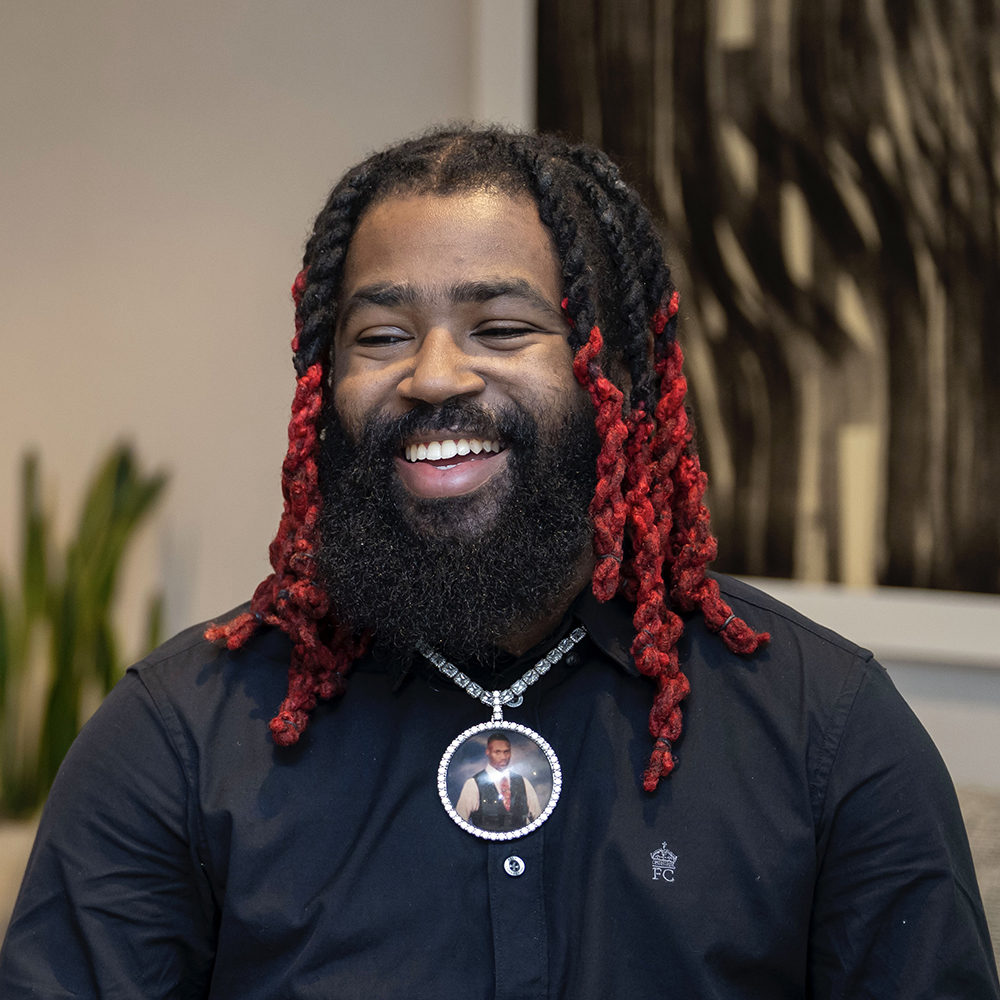
Henry’s path into cybersecurity began with a leap of faith. In June 2020, with only $400 to his name, he made a life-changing decision: he used his last dollars to buy a laptop and invest in himself. Determined to build a future in tech, Henry spent countless nights studying until sunrise, teaching himself new skills and preparing for certification exams through online learning platforms like Coursera. What was designed to be a nine-month certification program, he completed in just two months through relentless focus, discipline, and hard work.
Henry didn’t follow a traditional route into the tech industry. Instead, he built his career through self-directed learning, industry certifications, and an unwavering commitment to growth. Along the way, he pushed through pressure, exhaustion, and uncertainty, refusing to let his circumstances define what he could achieve. He continued expanding his skills through the Google Cybersecurity Certification and is now pursuing his Cisco Certified Network Associate (CCNA) certification to deepen his expertise even further.
Today, Henry’s story reflects the resilience and determination shared by so many STARs — workers Skilled Through Alternative Routes. His journey is proof that talent and potential aren’t defined by a four-year degree, but by the willingness to keep learning, keep growing, and keep betting on yourself. Henry hopes others who face barriers or doubt will remember that success is possible when you trust your abilities and take the first step forward

Danielle
Danielle built her career by learning through experience, staying curious, and stepping into opportunities before she felt fully “ready.” Today, she serves as a Compliance and Credentialing Manager in healthcare, helping organizations strengthen compliance, quality improvement, and risk management systems that ultimately support safer care for underserved communities. Her journey began in the private sector, where she advanced quickly from a Collateral Specialist role into leadership positions focused on compliance and operational oversight. Along the way, Danielle discovered a talent for identifying gaps, improving workflows, and helping teams solve problems before they became larger risks.
Although Danielle does not yet have a bachelor’s degree, she refused to let the paper ceiling define her career. She often found herself needing to prove her capabilities through performance rather than credentials, even while successfully doing work at advanced levels. Instead of discouraging her, those challenges strengthened her adaptability, resilience, and commitment to continuous learning. A major turning point came when she decided to leave the private sector and transition into healthcare at Sacramento Native American Health Center (SNAHC). Entering a completely new industry without a traditional healthcare background was a risk, but Danielle embraced the challenge. She taught herself credentialing and healthcare compliance on the job while expanding into quality improvement, reporting, and operational leadership. Over time, she became known for connecting systems, people, and data in ways that help organizations grow while supporting the communities they serve.
For Danielle, leadership is rooted in empathy, collaboration, and trust. She believes the best systems are built when people feel heard, supported, and included in the process. Her advice to other STARs is simple: don’t count yourself out of opportunities before someone else does. “Some of the biggest growth happens when you take a chance on yourself before you feel completely ready,” she says. Danielle’s story is a powerful reminder that skills, initiative, and lived experience can create meaningful impact—no traditional path required.
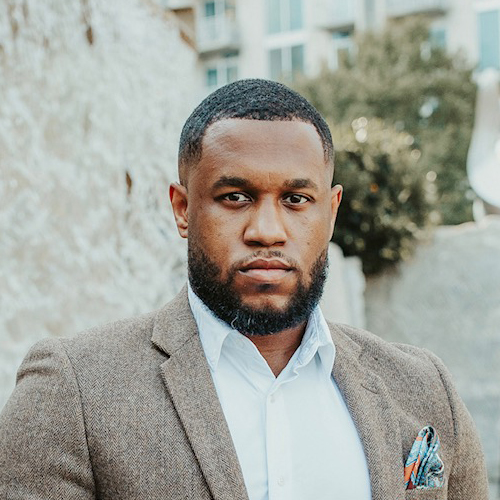
Keylin
Keylin built his career by betting on his skills long before the workforce fully recognized them. After high school, he balanced community college classes with full-time work, searching for something more meaningful than the routine he felt stuck in. Everything changed when he joined Year Up United, where he gained technical training, mentorship, and the confidence to see his own potential more clearly. What started as an opportunity to build skills became the foundation for a career centered on leadership, communication, and helping others grow. After working at State Street Investment Bank, Keylin returned to Year Up United as a staff member and spent more than nine years growing across five different roles, eventually becoming Associate Director of Learning and Advisory Services.
But like many STARs, Keylin still encountered the paper ceiling. At one point, a mentor told him he would not be able to work at Year Up United without a bachelor’s degree — a moment that stayed with him deeply. Instead of accepting that limitation, he applied for 13 different roles within the organization before finally getting hired. Within six months, he earned a promotion, and another soon followed. Over time, he became one of the organization’s youngest program managers nationally and later helped Fortune 500 employers rethink how they value skills-first talent.
Today, Keylin uses his expertise in facilitation, talent development, and people-centered leadership to create opportunities for others. He believes learning happens everywhere — through experience, repetition, relationships, and resilience. His story reflects the strength of the STAR community: people whose talent, determination, and impact cannot be measured by a degree alone. As Keylin says, “You can’t control the jobs, you can’t control the market… Control how you respond to it all.”
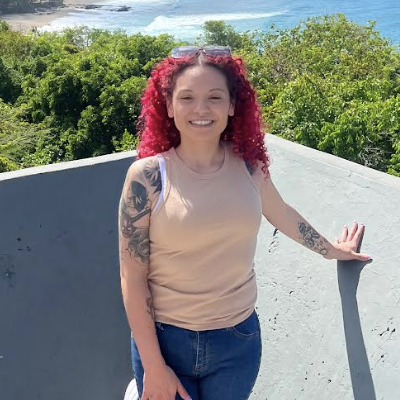
Stephanie
Stephanie’s career journey has been shaped by resilience, adaptability, and a commitment to creating a better future for her family. As a Puerto Rican mother of four and the first in her family to pursue higher education, she built her career without a traditional roadmap. Her first professional role was as a front desk associate at a Hilton Inn, where she learned how to navigate fast-paced environments, communicate with people from all walks of life, and step into leadership responsibilities early on. Later, seeking more stability for her family, Stephanie transitioned into healthcare as an office manager at a chiropractic center, where she spent several years developing skills in operations, patient care, and team management.
Although Stephanie once planned to become a registered nurse and completed her prerequisite coursework, balancing school, work, and raising four children made continuing full-time unrealistic. Instead of giving up on her goals, she continued building her skills through hands-on experience and earned a certification in phlebotomy and lab assistance. At one point, Stephanie made the difficult decision to leave her job without another opportunity lined up so she could invest in herself and her future. During that time, she completed a Google Project Management Certificate and began searching for a role that would allow her to remain connected to healthcare while creating more flexibility for her family. That leap led her into an entirely new side of the industry — moving from patient-facing work into technical healthcare operations as a Project Associate.
She now works as an Operations Coordinator and continues training toward becoming a Project Manager after earning multiple promotions along the way. She is most proud of the path she created for herself — one built through persistence, continuous learning, and the willingness to step outside of her comfort zone. Over time, Stephanie has learned to manage imposter syndrome and trust the value of her lived experience and skills. Her story is a reminder that success does not have to follow a traditional path, and that growth often begins the moment you decide to bet on yourself.

Paige
Paige is a STAR who turned a nontraditional path into a career dedicated to expanding opportunities for others.
After high school, she wasn’t sure a four-year degree was the right fit. Instead, she took a different route—earning her associate degree and completing an internship with a state agency in Idaho. That experience opened doors she hadn’t imagined and helped her discover her passion for connecting people to meaningful careers.
Along the way, Paige faced doubt from others who told her she wouldn’t succeed without a bachelor’s degree. But she continued building her career in the public sector, gaining expertise in workforce systems and helping others navigate alternative pathways.
Today, Paige serves as Director of the STARs Public Sector Hub at Opportunity@Work, where she partners with public sector leaders to create more inclusive pathways to good jobs.
Finding the STAR community helped her see her own journey in a new light—connecting her to a national movement of millions of workers skilled through alternative routes.
Now, she uses her voice and her role to advocate for STARs across the country, helping open doors and shift how opportunity is defined.
“When STARs shine together, we change what opportunity looks like for everyone.”
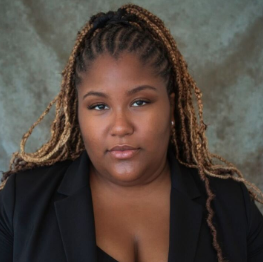
Dau'ne
Dau’ne is a STAR who built a career through alternative routes—turning early work experience into leadership and impact.
She began her journey as a supervisor cashier at Kroger, where she developed strong customer service and team leadership skills. She later transitioned into education as a teacher assistant with special education, expanding her ability to communicate, support others, and adapt in dynamic environments. During her time as an educator, she also earned an Associate’s degree in Business Administration and Management from Houston Community College, strengthening her foundation in business and leadership.
Today, Dau’ne is a Creative Project Manager for the Paperless Pathways Podcast, where she helps drive storytelling and operations that highlight opportunity and career mobility.
Through every step of her journey, Dau’ne has built skills in creativity, perseverance, and problem-solving—proving that talent is developed through experience, not just degrees.
“Together, we’re tearing the paper ceiling and redefining opportunity.”

Sara
Sara is a Program Specialist and Case Management Advisor with the State of Arizona, where she supports systems that help people with disabilities find meaningful employment. Based in Phoenix, she brings decades of experience in accounting, legal support, and operations to her work—along with a deep commitment to helping others rebuild and move forward. As a STAR, Sara’s journey reflects resilience, reinvention, and the power of believing in your own worth.
Sara’s career spans more than 45 years, beginning with a junior accounting certificate and early roles in bookkeeping, radio, and banking. Over time, she took on increasing responsibility—often performing at leadership levels—but repeatedly encountered the paper ceiling when she was denied advancement due to not having a degree. Her path also included profound personal challenges, including addiction, incarceration, and years of rebuilding her life. After 15 years on disability, Sara reentered the workforce during the pandemic as an Unemployment Adjudicator, drawing on her legal training and lived experience to help people navigate job loss at a critical time. Through determination and continuous learning, she advanced into multiple roles within the state, ultimately finding purpose in work that makes a difference.
Sara’s breakthrough came through resilience—learning to trust herself and recognize her own value after years of doubt. Today, she plays a key role in modernizing systems that serve others, combining her accounting expertise, legal knowledge, and leadership skills to create impact. Her story is a testament to the strength of the STAR community: that skills, perseverance, and self-belief can carry you forward, no matter where you start. As Sara puts it, “No mud, no lotus…your ability to shine is entirely up to you.”

Jodee
Jodee is an Account Manager and Client Advisor in the accounting industry, where she helps businesses stay organized, informed, and financially strong. Based in Las Vegas, she has built a career rooted in problem-solving, attention to detail, and a commitment to continuous learning. Without following a traditional college path, Jodee developed her expertise through hands-on experience—proving that real-world skills can be just as powerful as any degree.
Jodee’s journey began in retail and administrative roles, where she first gained exposure to bookkeeping. Early on, she stepped into an office manager position with little formal accounting training, learning by doing and figuring things out along the way. Over time, she built a strong foundation in accounting across small businesses and nonprofits, even owning her own business and leading accounting and HR functions. Like many STARs, she faced moments of doubt tied to not having a degree—sometimes questioning her own value despite years of experience. But through persistence and curiosity, she continued to grow her skills and confidence on the job.
A turning point came when Jodee transitioned into a multi-client bookkeeping environment, where she was challenged to adapt across industries and expand her capabilities. That experience helped her realize just how much she was capable of and strengthened her confidence as a professional. Today, Jodee’s story reflects the power of learning by doing and trusting your own path. Her message to others is simple: don’t underestimate what you already know—because as she puts it, “Everything is figureoutable.”
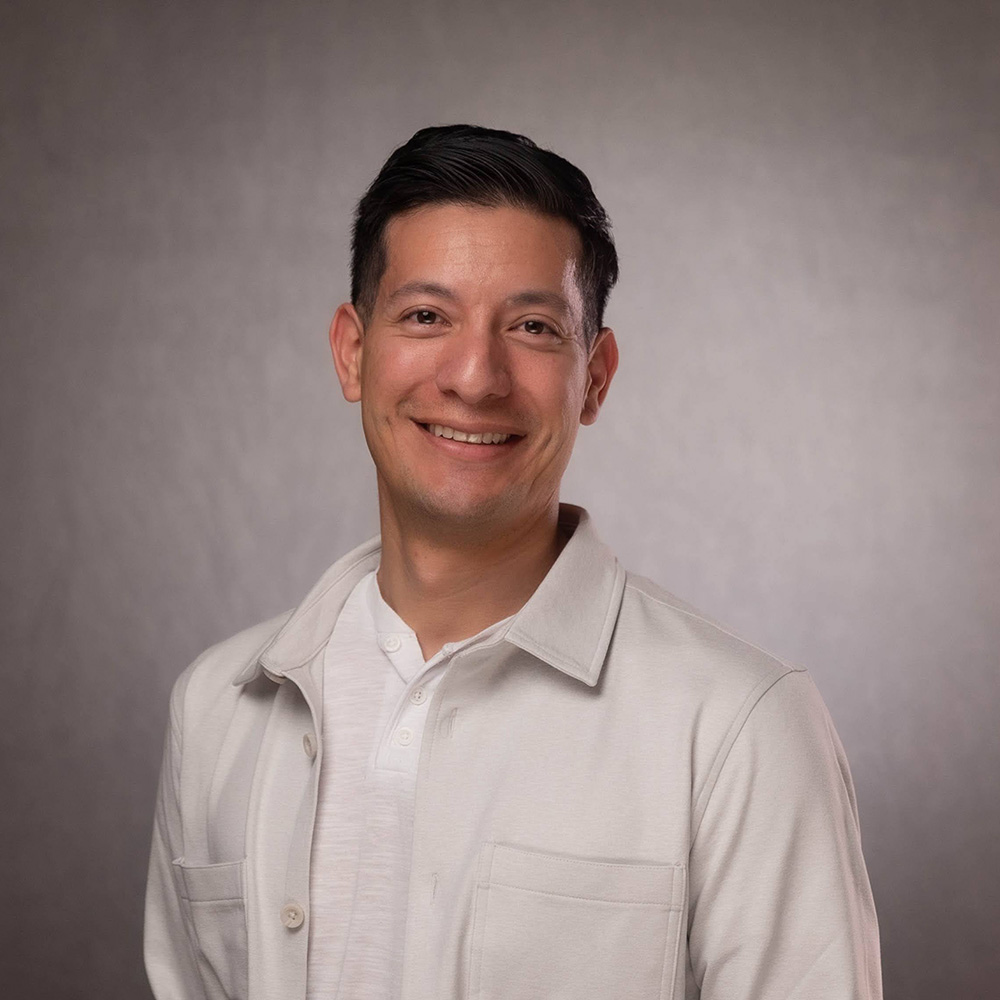
Mario
Mario is an Account Solutions Manager in the legal tech industry, where he helps drive business growth, streamline operations, and build strong client relationships. Based in Salt Lake City, he has built a career defined by initiative, adaptability, and results—proving that skills and performance can open doors, even without a traditional degree. Today, Mario continues to grow as a leader while creating impact in a fast-evolving industry.
Mario’s path into this role was anything but linear. He began working as a Microsoft promoter and campus bookstore employee while attending college, but ultimately chose to leave school to pursue full-time opportunities. Starting as a personal banker at JP Morgan, he quickly earned his investment license and was later recruited to Morgan Stanley, where he advanced to an implementation specialist role. Despite his success, Mario encountered barriers tied to the paper ceiling—being steered away from certain advancement opportunities without a bachelor’s degree. Instead of staying limited, he made the decision to seek new paths, even turning down an offer from Goldman Sachs and launching his own edtech business to help others access alternative routes to success.
Mario’s breakthrough came from learning how to stand out in a “crowd of diplomas” by demonstrating real results, growth, and capability. His ability to build relationships, scale operations, and lead teams became his strongest assets—skills developed through hands-on experience across industries. Today, his journey reflects the resilience and ambition of the STAR community. His advice to others is simple but powerful: keep learning, go beyond what’s expected, and find ways to create value—because skills, not credentials, define what’s possible.
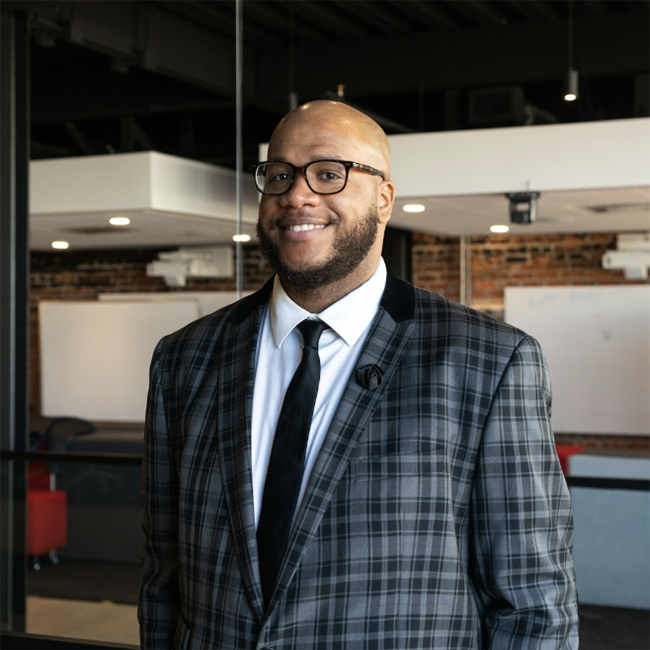
Brandon
Brandon is a technical professional based in Tulsa, Oklahoma, building a career focused on solving real-world problems and continuing to grow in the tech space. His journey into the industry wasn’t traditional, but today he’s thriving in a role where his skills, adaptability, and determination are at the center of his success. As a STAR, Brandon represents the power of nontraditional pathways and the impact of community-driven opportunity.
Before transitioning into tech, Brandon’s career spanned corrections, security, and education—fields that strengthened his discipline, communication, and ability to navigate complex environments. While he knew he wanted something different, he didn’t initially understand how to break into a new industry without a traditional background. Like many STARs, the path forward wasn’t clear, and the challenge of repositioning himself for a new career felt uncertain.
Everything changed when Brandon connected with local resources in Tulsa, including Retrain Tulsa. Through these programs, he gained not only technical skills, but also the confidence and guidance to translate his experience into new opportunities. That support helped him successfully transition into a technology career, where he continues to grow and make an impact. Brandon’s story is a powerful reminder that while workforce development is often discussed at a national level, it’s local organizations and communities that make career mobility possible.
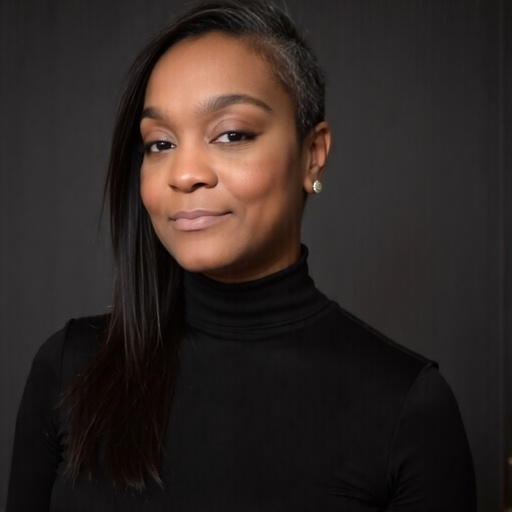
Georgette
Georgette is the Manager of STARs Engagement & Enablement at Opportunity@Work, where she helps uplift workers Skilled Through Alternative Routes (STARs) by building pathways for visibility, confidence, and community. Her career has spanned industries—from accounting and healthcare to banking and utilities—and each role has strengthened her ability to connect with people, lead with empathy, and communicate with purpose. Today, she channels those same skills into empowering others to recognize their own value and navigate career growth with courage.
Georgette’s path wasn’t linear. As a parent balancing work and education, she often had to pause her college journey to prioritize family and financial stability. Despite excelling in every role she held, she was frequently passed over for advancement because she didn’t have a bachelor’s degree—a reality many STARs face under the “paper ceiling.” Those challenges, though difficult, taught her resilience and adaptability, shaping her understanding of the barriers that hold so many talented workers back.
Her breakthrough came when she decided to stop waiting for the “perfect opportunity” and instead take a chance on herself. That mindset shift opened new doors—to leadership, impact, and purpose. Now at Opportunity@Work, Georgette uses her lived experience to help other STARs see that their nontraditional paths are not limitations but their greatest strengths. Her message to others: “You are the blueprint for what is possible.”

Charmagne
Charmagne built her career through persistence, adaptability, and a deep belief in learning by doing. Today, as Senior Manager of Member Experience at Opportunity@Work, she helps shape programs that connect people and partners with the resources they need to advance skills-first hiring nationwide.
Her path began in retail, where she honed her problem-solving and relationship-building skills. When she transitioned into tech during the early startup boom, she discovered how her curiosity and drive could open doors — even without a degree. That first customer support role was life-changing: it introduced her to project management, cross-functional collaboration, and the power of delivering exceptional experiences. Over time, she earned certifications in Customer Success Management and Data Analytics, complementing what she had already mastered on the job. Yet, Charmagne also faced the “paper ceiling.” Despite her proven skills, she was once turned away from a People Operations role simply because she didn’t have a bachelor’s degree — a moment that reinforced how talent can be overlooked when systems prioritize credentials over capability.
Charmagne’s advice to other STARs is clear: “Never stop advocating for yourself. Don’t let a résumé tell an incomplete story about what you can do.” She believes that challenging narrow definitions of talent — and supporting one another along the way — can help transform workplaces for the better. Her journey is proof that when opportunity meets determination, skills can shine brighter than any degree.

Write your story
Every time STARs speak out, more people realize they're part of this 75-million-strong community.